
What is Low Level Laser Therapy?
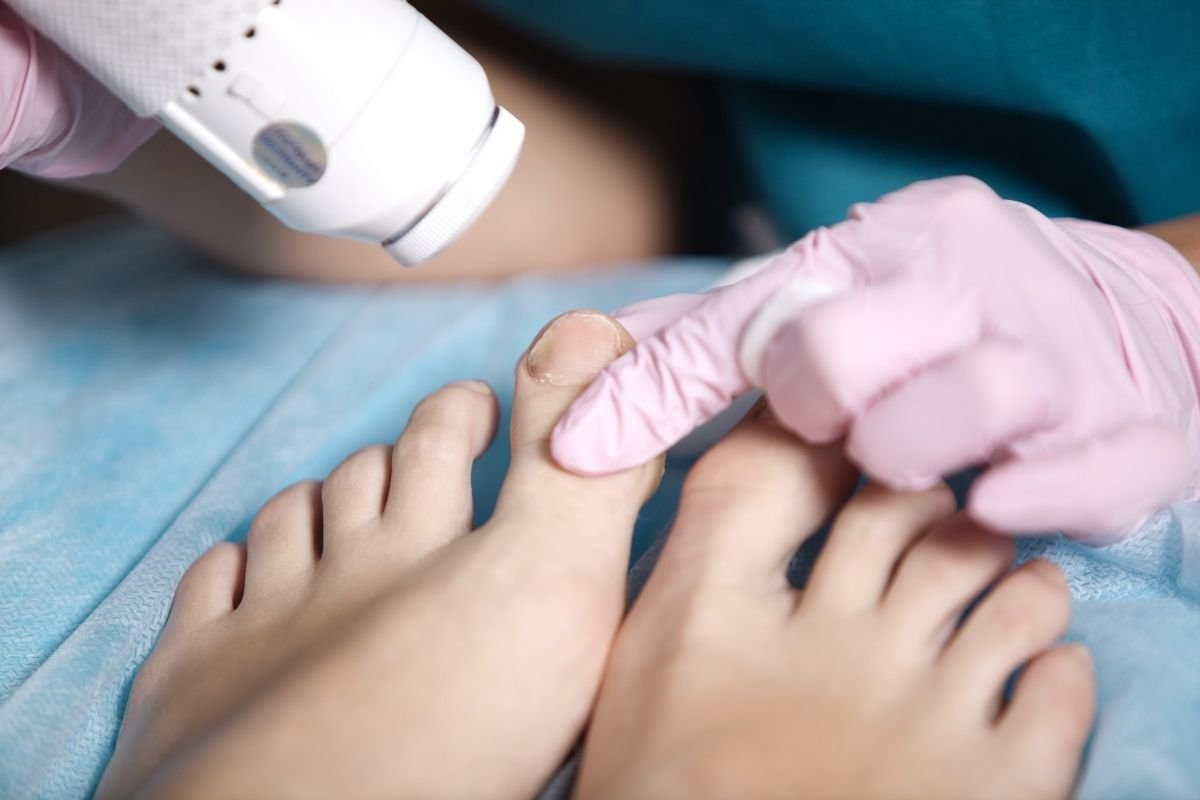
Low Level Laser Therapy is a gentle, non-invasive treatment that uses specific wavelengths of light to support the body’s natural healing processes. At our clinic we use a professional therapeutic laser system manufactured by Omega Laser Systems Ltd.
The laser probe is placed over the area being treated and delivers light energy that penetrates the skin without causing heat or damage. This light stimulates cellular activity, helping to improve circulation, reduce inflammation, and encourage damaged tissue to repair more efficiently.
Frequently Asked Questions:
-
Most patients feel little or nothing during treatment. Some people notice a mild warmth or a relaxing sensation in the area being treated.
-
Laser therapy is usually quick. A typical session can take anywhere from 10-30mins depending on size of area and type of condition being treated.
-
Low Level Laser Therapy is commonly used to help manage muscle and joint pain, tendon injuries, ligament strains, and other soft tissue problems.
-
This varies depending on the condition and how long it has been present. Some patients notice improvement after the first treatment, while others benefit from a short course of treatments.
-
Yes. Therapeutic lasers are designed to deliver low levels of light energy that stimulate healing without damaging tissue. Protective procedures are used to ensure treatments are carried out safely.
Swift Treatment for Verrucas (Plantar Warts)
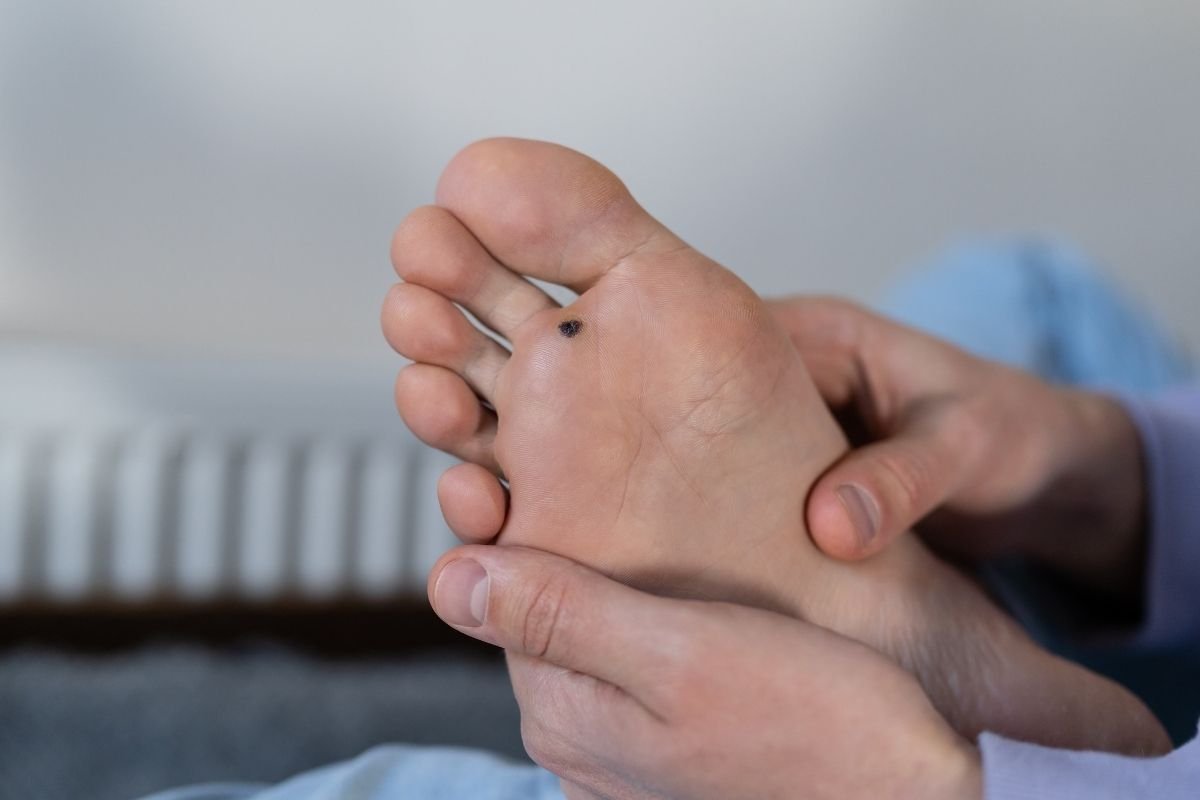
Verrucas is common viral skin infection that appears on the soles of feet. They can sometimes be painful and may spread if left untreated. While many treatments aim to destroy the wart from the surface, Swift uses controlled microwave energy to stimulate your body’s specialist immune system to recognise and fight the virus that causes the verruca.
Swift treatment is quick, safe, and requires no anaesthetic, dressings, or downtime, meaning you can return to normal activities straight after your appointment.
If you are struggling with a stubborn or painful verruca, Swift treatment may be an effective option to help clear it safely and quickly.
Frequently Asked Questions:
-
Swift is a medical treatment that uses precise microwave energy to treat verrucas. The energy is delivered through a small probe placed on the skin, which stimulates the body’s immune response to target the virus causing the verruca.
-
Clinical studies show high success rates, with many patients seeing their verrucas resolve after a small number of treatments.
-
Yes, the treatment can be uncomfortable. You will feel a short, sharp burst of heat that lasts around 2 seconds each time the probe is applied. Although it can feel intense, it is very quick and the sensation stops immediately afterwards.
-
Appointments are usually very quick, often taking around 10–15 minutes.
-
Most patients need around 3 treatments, spaced approximately 4 weeks apart, although this can vary depending on the size and duration of the verruca.
-
No. You can walk normally and continue your usual activities immediately after treatment.
-
Not usually. Swift works by activating the immune system, so the verruca gradually resolves over the following weeks.
-
Some patients may experience mild soreness or redness for a short time after treatment, but significant side effects are uncommon.
-
Swift is suitable for most adults and older children with verrucas. Because the treatment involves a short burst of heat, it can be uncomfortable, so younger children may find it difficult to tolerate. Your clinician will assess the verruca and discuss whether Swift or another treatment option is most appropriate.
-
No special preparation or aftercare is required. Simply attend your appointment and continue your normal routine afterwards.
Nail Surgery for Ingrown Toenails
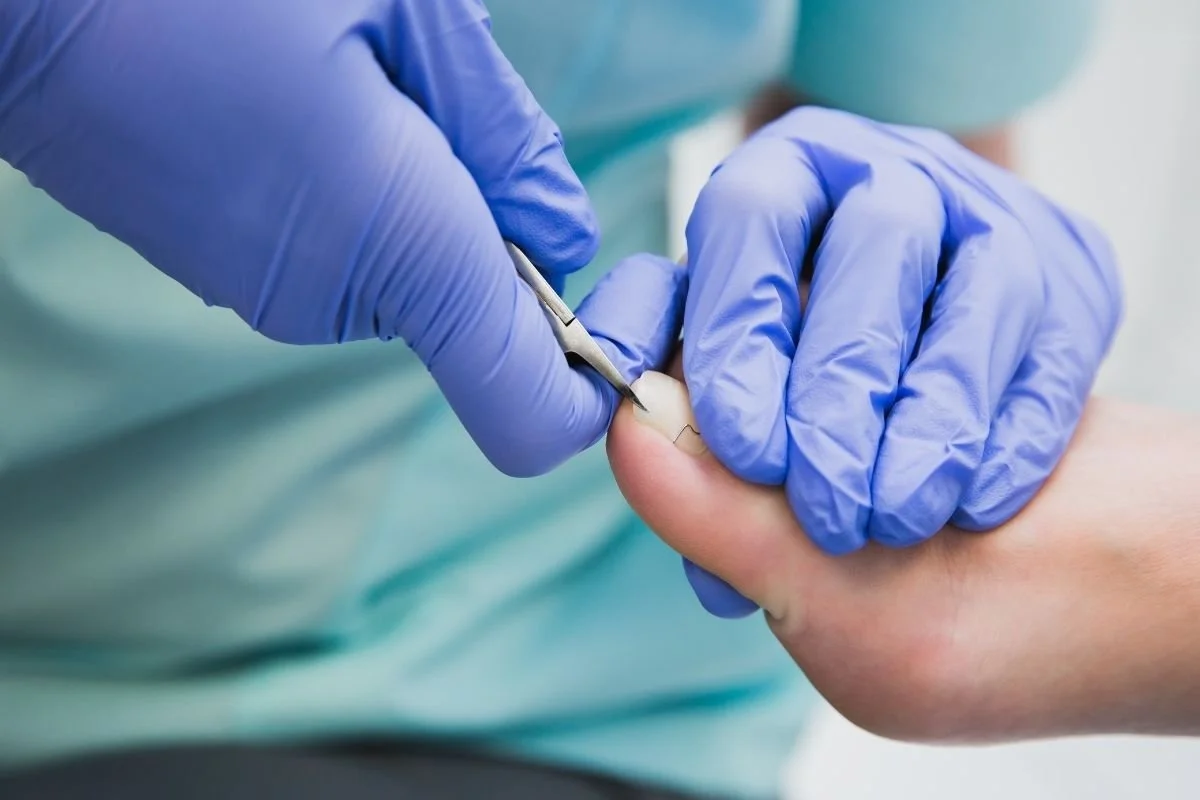
Nail surgery is a minor procedure used to treat painful or recurring ingrown toenails. If conservative treatments have not resolved the problem, removing a small section of the nail can provide long-term relief.
The procedure is carried out under local anaesthetic to numb the toe, meaning you should not feel pain during the surgery. The part of the nail causing the problem is removed and a chemical called phenol is applied to the nail bed to prevent that section of nail from growing back. Nail surgery is a routine procedure and is performed safely in clinic.
If you suffer from painful or recurring ingrown toenails, nail surgery can provide a simple and effective long-term solution.
Frequently Asked Questions:
-
Nail surgery may be recommended if you have a recurring ingrown toenail, ongoing pain, infection, or if other treatments have not been successful.
-
The toe is first numbed with a local anaesthetic. Once the area is fully numb, the section of nail causing the problem is carefully removed. A chemical called phenol is then applied to the nail bed to prevent the removed nail from growing back.
-
You may feel a sharp scratch or stinging sensation when the local anaesthetic is injected. Once the toe is numb, the procedure itself should not be painful.
-
Appointments usually take around 45 minutes, including time for the anaesthetic to take effect.
-
Your toe will be dressed and you will be given clear aftercare instructions. You may experience some mild discomfort once the anaesthetic wears off, which usually settles within a few days.
-
Healing usually takes around 4–6 weeks. During this time, you will need to keep the toe clean, change dressings as advised, and avoid activities that may irritate the area.
-
The small section of nail that was removed is usually prevented from growing back. The remaining nail continues to grow normally but will be slightly narrower.
-
Yes, although it is recommended that you take it easy for the rest of the day. Most people can return to normal daily activities within a day or two.
-
As with any minor procedure, there is a small risk of infection, delayed healing, or regrowth of the nail. Following the aftercare instructions helps reduce these risks.
-
Most people can return to work the next day, depending on their job and footwear requirements.